

Research in the CEE Lab is focused on understanding the fundamental linkages between behaviour, metabolic performance of individuals, and ecosystem-level processes in freshwater lakes, and the means by which these relationships are modulated in altered environments.
Human activities can affect ecosystems through multiple pathways of effects, or stressors, which in turn can alter the physiological performance of individuals (e.g., activity, feeding efficiency,growth and reproduction) and community composition of aquatic ecosystems. Changes at both scales have direct consequences for the pathway and efficiency of energy flow through food webs. Accurately measuring those changes is a critical first step to understanding ecosystem responses to stress, and to ultimately achieving sustainable resource management of these systems.
We seek to test life history theory by demonstrating the mechanistic relationship between individual, population and ecosystem-level traits in freshwater environments using whole-lake experiments, observational studies and the analysis of long-term data and archived tissue collections. To demonstrate these relationships, we deploy technology in field environments, including fish tracking and hydroacoustics, and in the lab conduct respirometry and calorimetry experiments, and use computer modelling to help integrate our findings.
Currently, research under four broad themes is underway in the CEE Lab: bioenergetics, movement ecology, food web ecology and contaminant biomagnification.
Research Themes
Bioenergetics
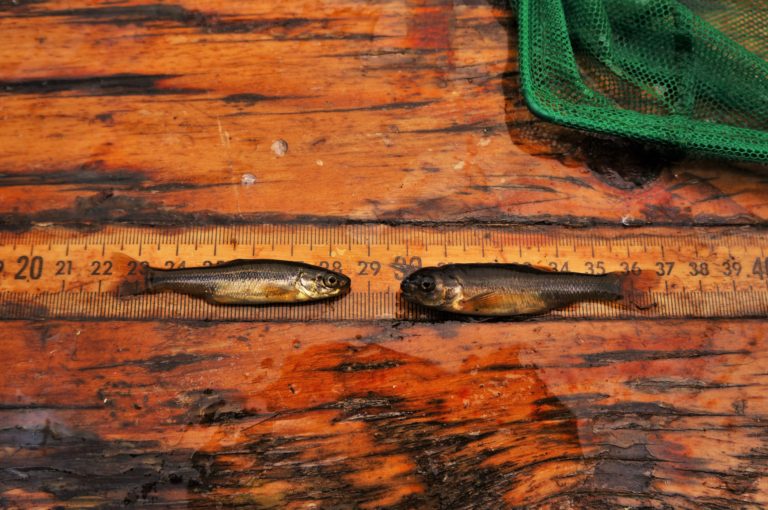
Understanding optimal life histories in the field can be greatly improved by understanding energy intake rates and how that energy is allocated. Using a combination of field studies, laboratory-based physiological experiments, analytical methods, and mathematical models, our group applies bioenergetic theory to wild populations of fish to understand how they respond to ecological change.
Past work in this theme demonstrated the importance of activity costs in (a) dictating optimal life history strategies for sexual size dimorphism, and (b) mitigating the effects of invasive species.
Movement ecology
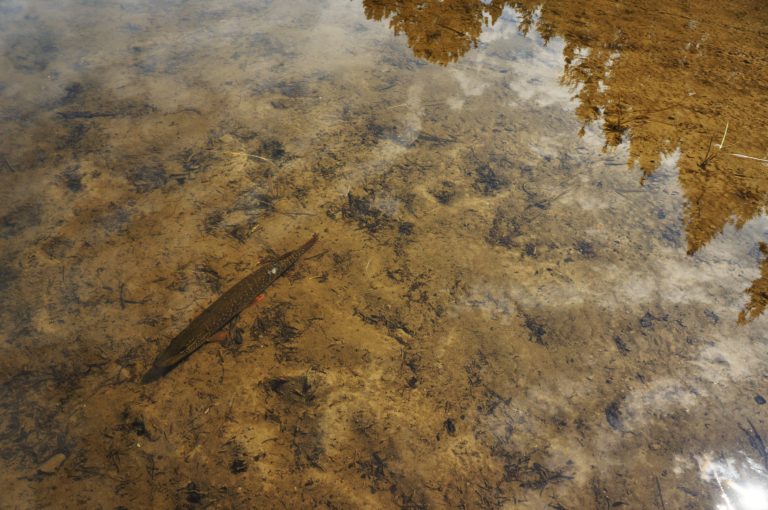
Variation in behaviour of individuals can directly influence the adaptability of organisms to ecological change; for example, past work has demonstrated the role that migration might play in mitigating the effects of species invasions. To test our theories, we use mesocosms as experimental arenas to evaluate the behaviour of fish to novel environments, as well as state-of-the-art fish tracking equipment for investigations in the field.
Food web ecology
Understanding rates and pathways of energy in ecosystems is critical to understanding function and resilience to ecosystem changes and drivers of production of fisheries.
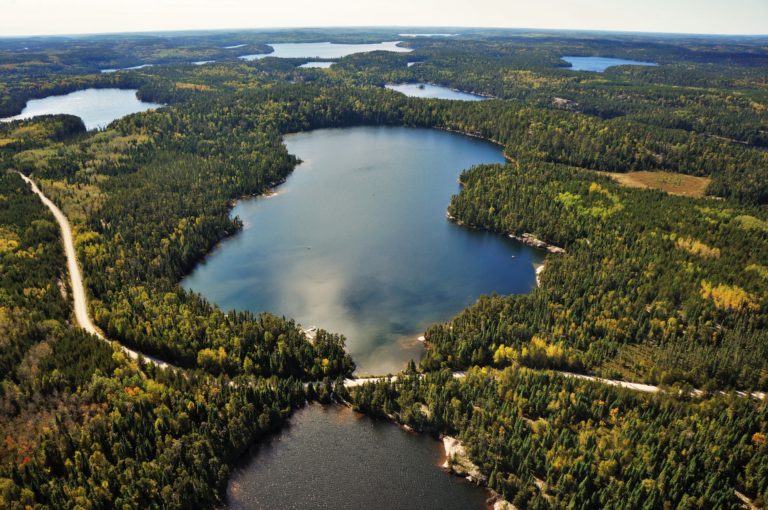
Previous projects, as well as our ongoing research in the CEE Lab, is focused on identifying mechanisms by which invasive species affect both Great Lakes and inland fisheries. Recently acquired hydroacoustic equipment is facilitating investigations into the application of biomass size spectrum theory to predict fisheries production and the influence of the prey community on foraging patterns of predatory fishes.
Contaminants
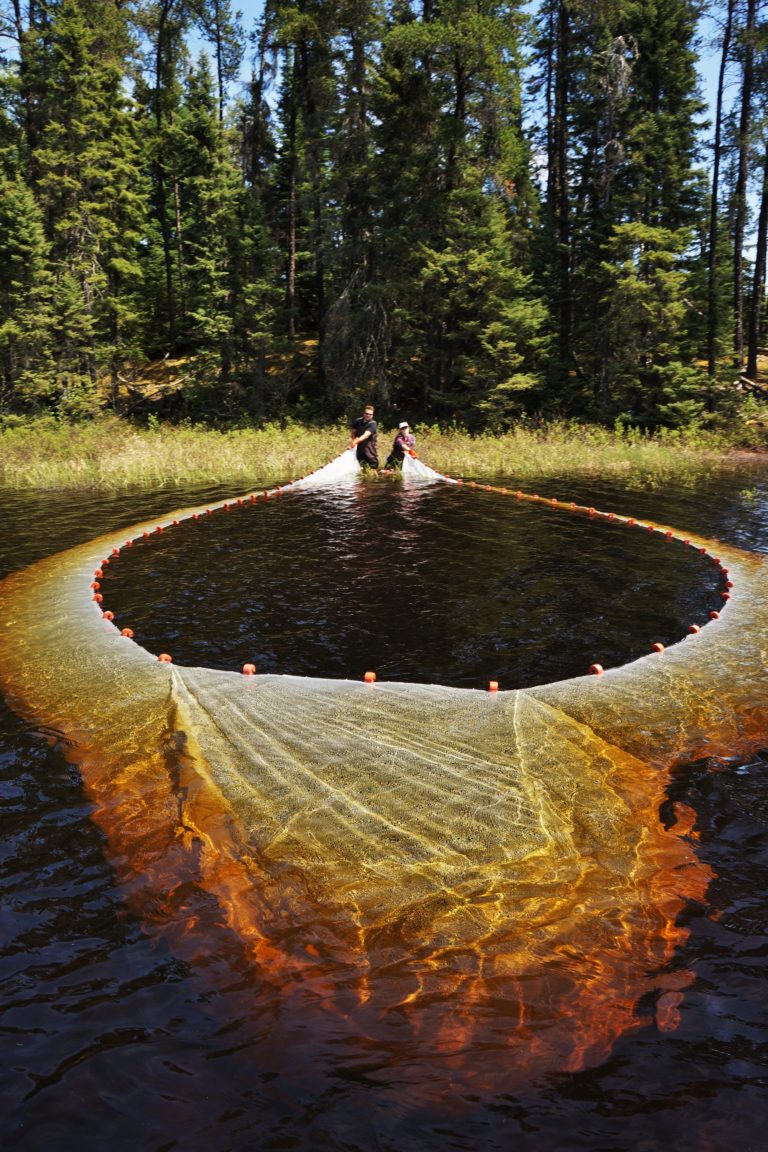
Our contaminant research is focused on (a) the role of food web structure in dictating biomagnification rates and (b) using whole-ecosystem experiments to understand both direct and indirect impacts of contamination on fisheries.
A great deal of this research is conducted at the IISD-ELA, a unique facility in Northwestern Ontario where whole lakes can be manipulated to understand their response to different contaminants or management strategies.